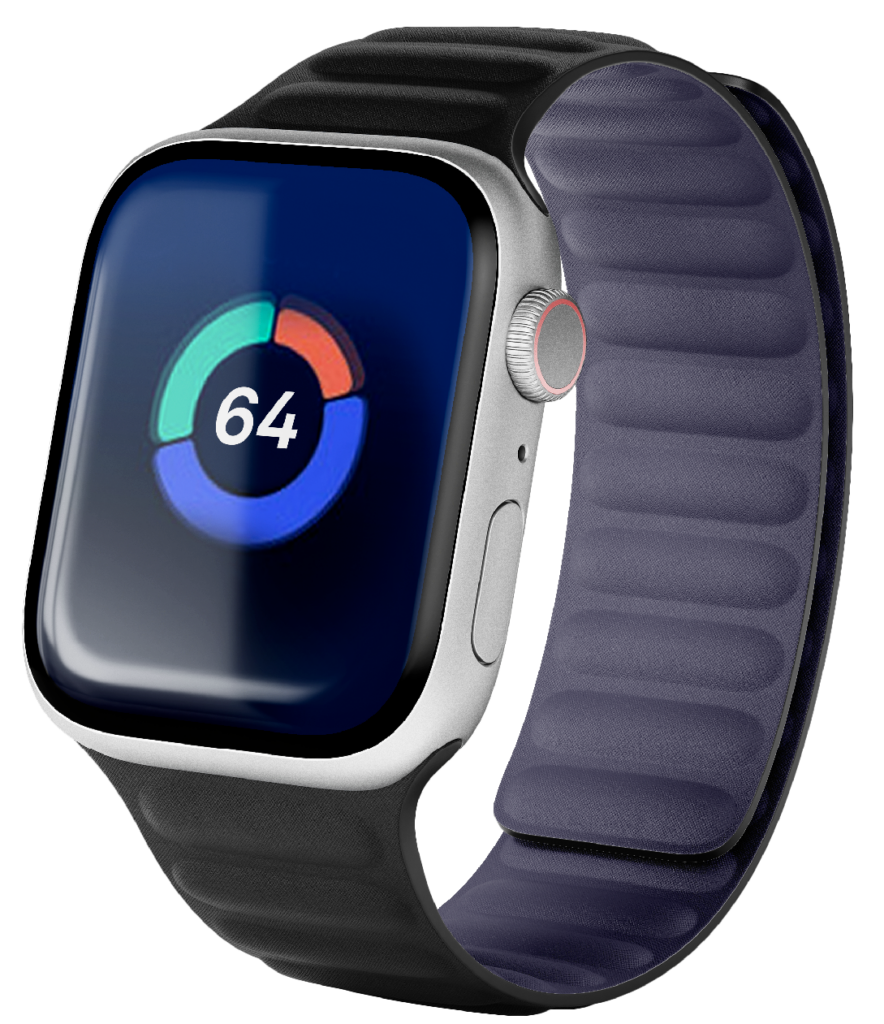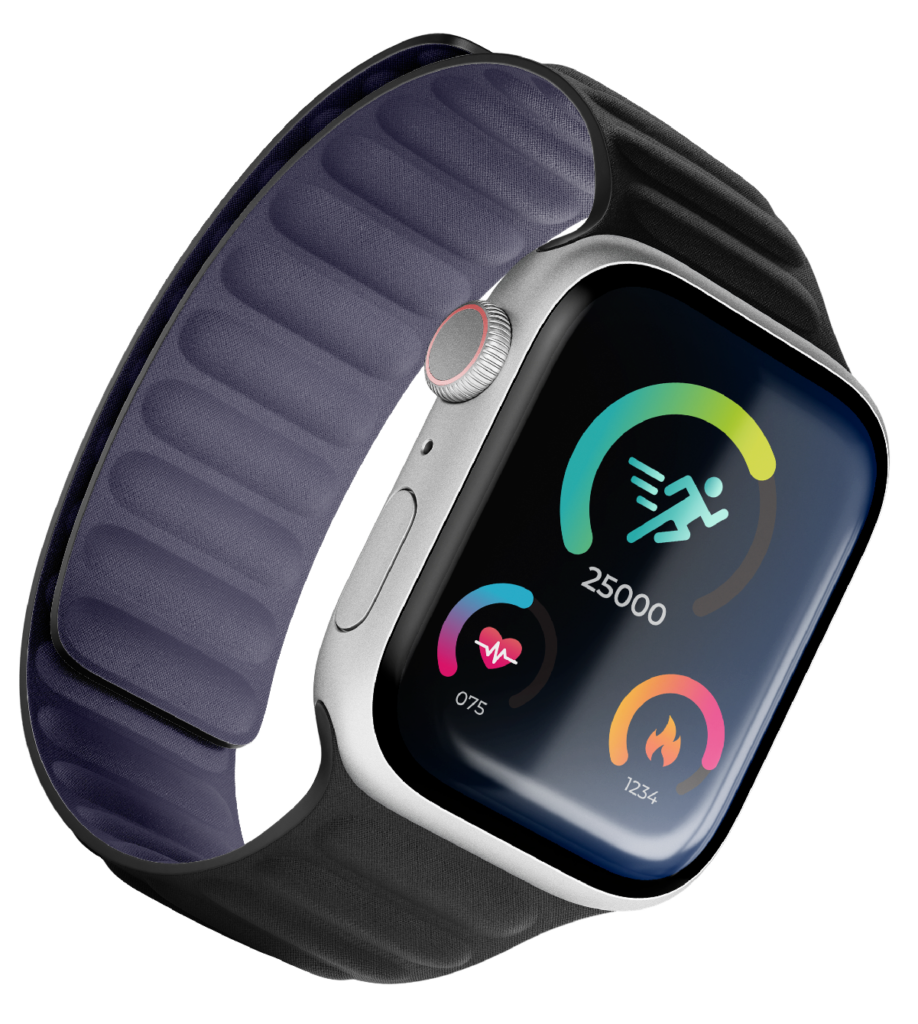
EVA™ can integrate compatible wearable data to add daily context to your personalised protocol. This helps connect real-world lifestyle patterns with your DNA blueprint and blood biomarkers, supporting more informed and consistent optimisation over time.
Wearable insights complement EVA’s three core pillars — DNA (your baseline biology), blood markers (your current physiology), and targeted interventions (your optimisation strategy). The platform reviews trends periodically and may provide contextual guidance when patterns are meaningful and consistent.
These signals help EVA interpret how your physiology responds to lifestyle inputs over time.
Wearable data helps EVA understand how your body responds to daily life. Patterns in sleep, recovery, and activity
provide valuable context alongside your DNA and blood biomarkers. When consistent trends appear,
EVA may suggest small refinements to better support your physiology.
Example:
If wearable data shows persistent signs of poor sleep or reduced recovery, EVA may suggest adjusting magnesium intake within a safe range (for example, from 300 mg to 400 mg elemental daily). Magnesium supports nervous system balance and sleep quality, helping the body recover more effectively.
These adjustments are not made using real-time signals, and backed by scientific evidence.
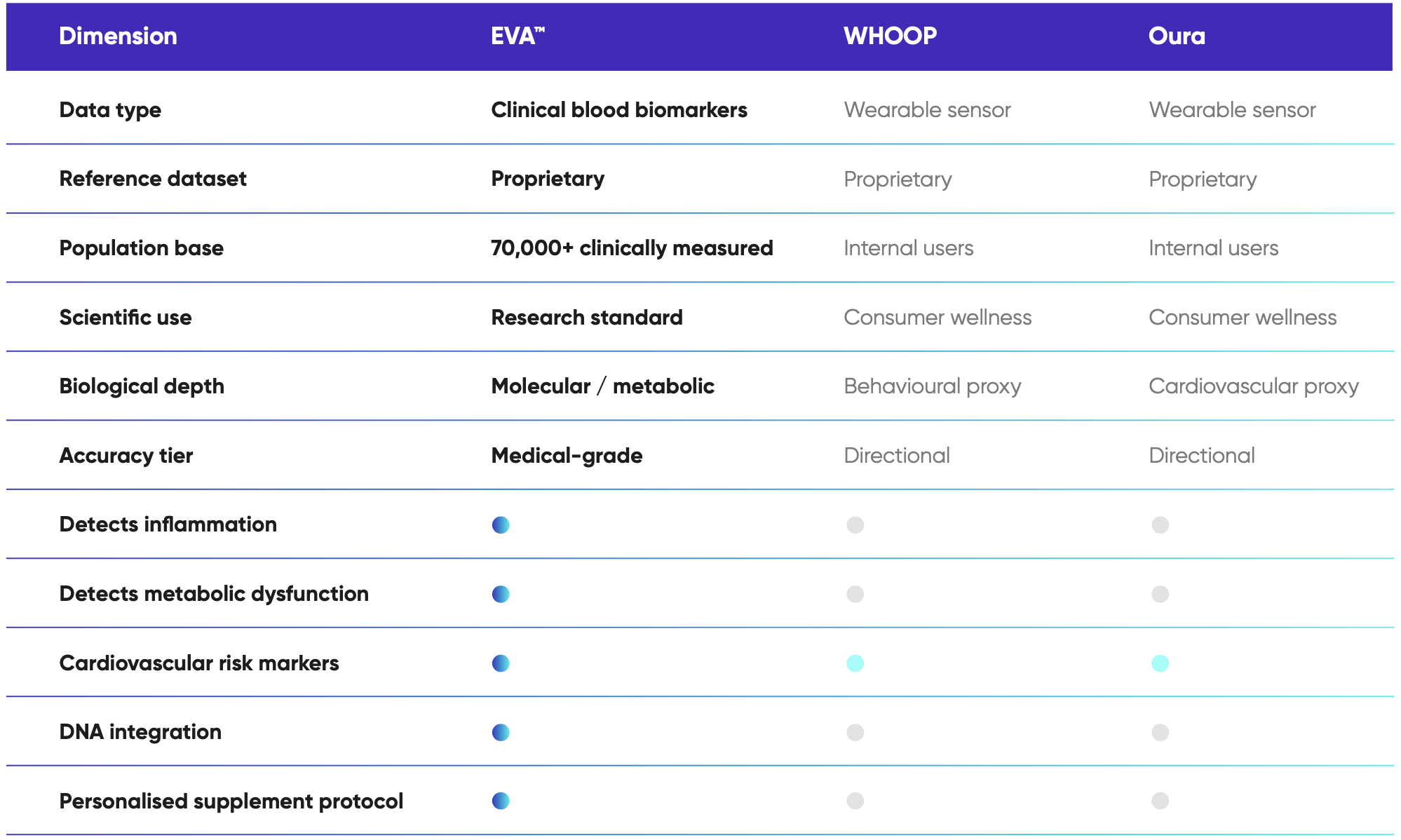
WHOOP and Oura are powerful behavioural trackers.
But behavioural data and biological data are not the same thing.
There is a fundamental difference between inferring your health from what you do –
and measuring it from what your blood reveals.
Estimate biological age from behavioural and physiological proxies — sleep duration, resting heart rate, HRV, activity levels. Proprietary algorithms trained on internal user data with no publicly disclosed reference dataset.
Calculates biological age from clinical blood biomarkers benchmarked against NHANES — the gold-standard population health dataset used in peer-reviewed longevity research. Molecular, metabolic, medically grounded.
EVA™ is designed to integrate with leading wearable platforms including Apple Health, Whoop, Oura, and Samsung Health. These integrations are currently in development. When live, wearable data will be used to provide additional context for your personalised protocol alongside your DNA and blood results.
EVA™ uses three categories of wearable data: sleep patterns (duration, consistency, and recovery trends), heart rate variability or HRV (nervous system balance, stress resilience, and recovery capacity), and activity and strain (daily movement, exercise load, and physiological demand). These signals help contextualise how your body responds to lifestyle between blood testing cycles.
EVA™ reviews wearable trends periodically and may suggest small, evidence-based refinements to your protocol when consistent patterns emerge. For example, persistent signs of poor sleep recovery may prompt a suggested increase in magnesium intake. Elevated training load may prompt an adjustment to creatine. Adjustments are reviewed and applied under clinical oversight — not made in real time.
Wearable connections are entirely opt-in. EVA™ aggregates trend data only — raw data is not stored. You can manage or revoke permissions at any time through the app. All data handling operates under clinical oversight and is covered by EVA™'s privacy and data security policy.
Connections are opt-in, with aggregated trends only, no raw data stored. You manage permissions anytime, under clinical oversight.
EVA™ delivers precise, biology-led guidance for sustainable progress.
Join the EVATM waitlist and lock in your founding member discount — applied automatically when the app goes live.
I’m interested in